

Share:

AI marketing & automation


Innovation is truly the heartbeat of creative agencies. As technology advances and consumer behaviors shift, finding the right tools can really elevate how agencies perform. With the right technology, teams can collaborate better, connect with clients, and streamline their everyday tasks. This guide highlights some fantastic tools that can help creative agencies thrive and enjoy lasting success.
Choosing the right tools can transform your workspace into a dynamic environment. In this article, we’ll dive into various tools and strategies designed to boost creativity, optimize workflows, enhance client interactions, and keep track of performance.
In our fast-paced world, remote teamwork has become essential for creative agencies. Collaboration tools have emerged that allow team members to brainstorm, share ideas, and develop projects together in real time, no matter where they are located. Cloud-based platforms are changing how teams interact, creating a vibrant atmosphere that encourages experimentation and flexibility.
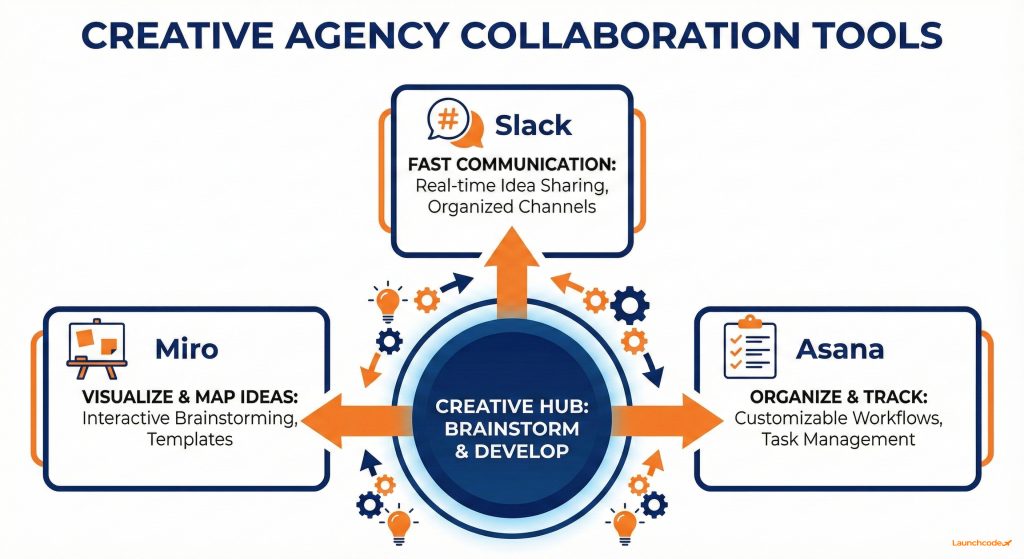
Here are a few standout tools that can really boost creativity and collaboration:
These tools come loaded with unique features that spark creativity, making them must-haves for any agency’s toolkit. For example, Miro’s templates guide brainstorming sessions, while Slack’s organized channels help keep discussions flowing smoothly.
Having a well-structured workflow is key to achieving project milestones and meeting client expectations. Smart project management solutions can help agencies streamline their processes, cut down on bottlenecks, and boost overall efficiency. When productivity is up, client satisfaction often follows, which is crucial in the competitive digital marketing landscape.
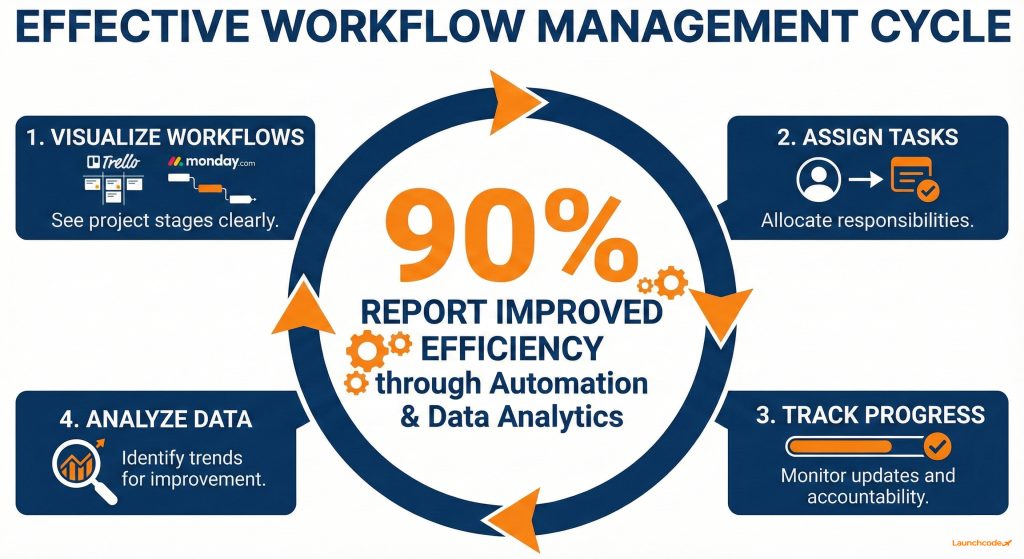
Agencies can take advantage of tools like Trello and Monday.com to manage projects effectively and analyze performance data. Here’s how these platforms can refine strategies based on real-time insights:
Agencies implementing these solutions often see substantial productivity increases, with about 90% reporting improved efficiency through automation and data analytics. This ability to respond proactively to performance data can truly elevate a creative agency’s operations, keeping them efficient and competitive.
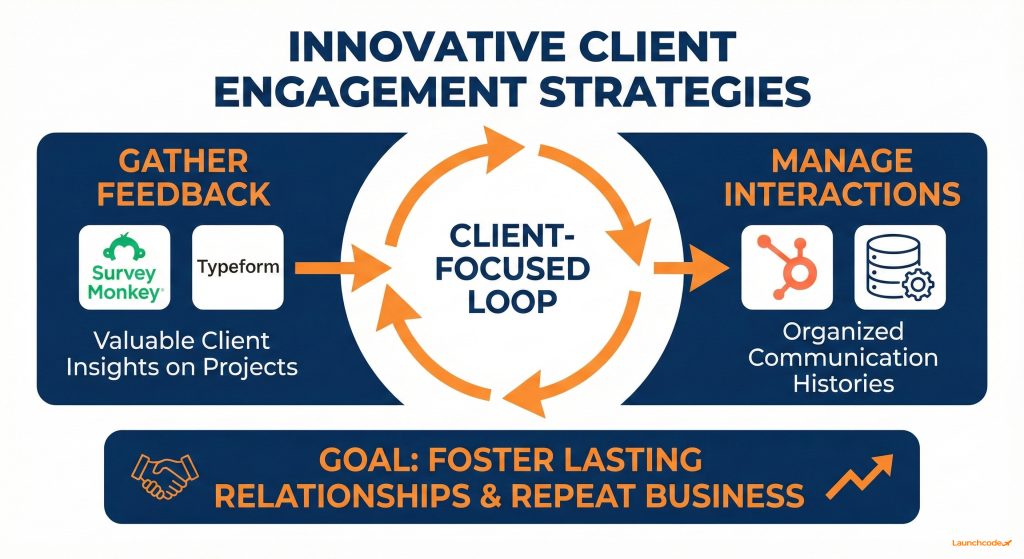
Engaging clients effectively is crucial for long-term growth in any agency. Tools that improve communication help build deeper connections and ensure client feedback is part of the creative process. This client-focused approach not only boosts satisfaction but also drives repeat business and referrals.
Agencies can utilize platforms like SurveyMonkey or Typeform to gather valuable client feedback on ongoing projects. Hearing directly from clients makes sure their voices matter in the creative process and leads to adjustments that enhance satisfaction. Plus, using CRM systems like HubSpot helps keep communication histories organized and manage client interactions more efficiently.
By prioritizing client engagement, agencies can deliver outstanding services while fostering lasting relationships that result in a steady stream of projects and referrals.
Tracking performance is vital for understanding how campaigns are doing. Analytics tools give creative agencies the chance to measure their effectiveness closely, leading to smarter creative decisions. With data-driven insights, agencies can adjust their strategies in real time, ensuring campaigns achieve the best possible results. You can model this approach on proven systems used in guides like AI workflows for scaling marketing.
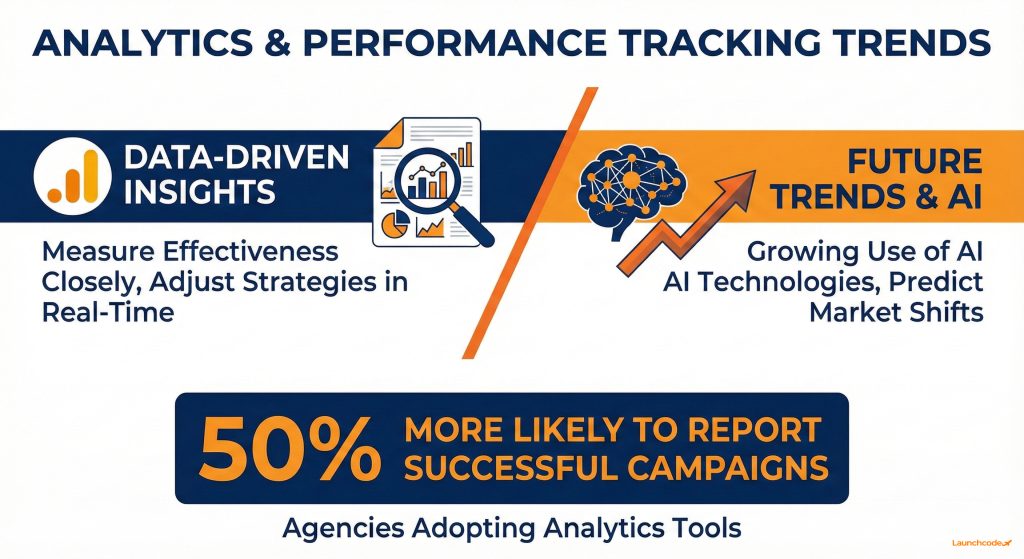
One notable trend is the growing use of AI technologies in agency operations. As more agencies start to adopt analytics tools, they’re finding that agencies that adopt analytics tools are 50% more likely to report successful campaigns. This reliance on data will likely continue to grow in the coming years, emphasizing the importance of tech-driven strategies in the industry.
For instance, tools like Google Analytics and various social media insights provide a treasure trove of information about audience behavior, helping agencies tailor their campaigns more effectively. Those who harness these insights position themselves to quickly respond to market shifts and grab hold of emerging trends, keeping them ahead of the competition. For agencies building durable systems, resources like the overview of AI automation and systems design can help connect tools to real outcomes.
Project management tools significantly boost efficiency by keeping tasks organized and tracking progress. They enhance client satisfaction by providing transparency and improving communication throughout the project lifecycle. Plus, they help teams prioritize tasks effectively and reliably meet deadlines.
AI tools streamline workflows and provide actionable insights, allowing agency teams to concentrate on the creative side while ensuring campaign performance is optimized. By improving how metrics are evaluated, these tools enable agencies to make data-informed decisions, thus enhancing overall campaign efficiency and effectiveness. For deeper guidance on choosing the right AI stack, see comparisons such as Gemini gems versus custom GPTs.
Absolutely! There are several affordable tools that offer powerful functionalities for small creative agencies. Options like Trello for project management and Canva for design projects are great choices. Many of these platforms have free tiers or budget-friendly pricing options, making them accessible for agencies with tight budgets. Agencies can also learn from frameworks used in resources like how to win in local AI SEO to stretch results without overspending.
Regular evaluations are crucial for staying on top of technological advancements. Agencies should reassess their toolkits at least once a year to ensure they’re using the most effective solutions for their needs. This proactive approach helps maintain a competitive edge and ensures that the tools in use align with the agency’s evolving goals. As part of that review, building a repeatable stack like those described in the Launchcodex overview on web development and performance can keep systems modern and maintainable.



Real stories from the people we’ve partnered with to modernize and grow their marketing.